

The latest news from Mississippi
Provided by AGP
Chlor-Alkali Production Plant Setup, Feasibility Study, ROI Analysis and Business Plan Consultant
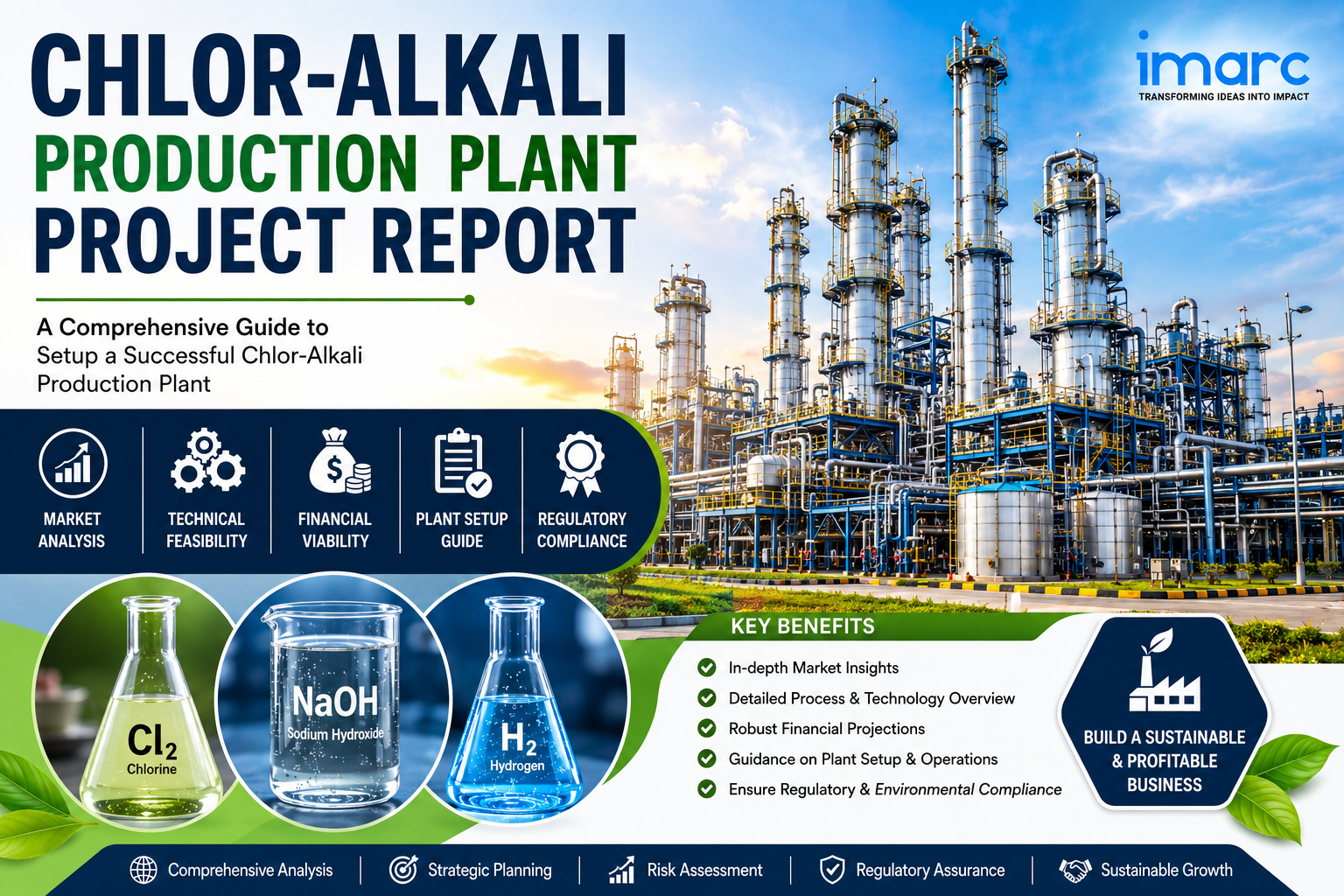
A Detailed DPR on CapEx, OpEx, Electrolysis Technology, ECU Analysis, and Global Caustic Soda & Chlorine Market Opportunities.
BROOKLYN, NY, UNITED STATES, May 19, 2026 /EINPresswire.com/ -- Setting up a chlor-alkali production plant builds the foundation of an integrated basic chemicals complex. The chlor-alkali process simultaneously produces three commercially essential products from a single electrochemical reaction: caustic soda (NaOH), chlorine (Cl₂), and hydrogen (H₂). Together these form the Electrochemical Unit (ECU) -the standard measure of chlor-alkali plant economics. Caustic soda serves alumina, textiles, and paper; chlorine anchors the PVC and water treatment value chains; and hydrogen is gaining increasing value as a clean industrial fuel and green hydrogen feedstock. The integrated chlor-alkali complex is unique in production in that the revenue quality depends on the ability to monetise all three co-products, making derivative integration a core strategic priority.IMARC Group’s Chlor-Alkali Production Plant Project Report is a complete DPR and chlor-alkali production feasibility study for chemical manufacturers, industrial investors, and project developers. It covers the full chlor-alkali plant setup - from brine preparation through membrane cell electrolysis, caustic concentration, chlorine liquefaction, hydrogen recovery, and downstream integration pathways - with complete chlor-alkali plant CapEx and OpEx modelling and 10-year financial projections.
𝐑𝐞𝐪𝐮𝐞𝐬𝐭 𝐟𝐨𝐫 𝐚 𝐒𝐚𝐦𝐩𝐥𝐞 𝐑𝐞𝐩𝐨𝐫𝐭: https://www.imarcgroup.com/chlor-alkali-manufacturing-plant-project-report/requestsample
𝐈𝐧𝐯𝐞𝐬𝐭𝐦𝐞𝐧𝐭 𝐃𝐫𝐢𝐯𝐞𝐫𝐬 𝐚𝐧𝐝 𝐌𝐚𝐫𝐤𝐞𝐭 𝐎𝐩𝐩𝐨𝐫𝐭𝐮𝐧𝐢𝐭𝐲
Three forces are driving chlor-alkali production investment:
𝐏𝐕𝐂 𝐚𝐧𝐝 𝐜𝐡𝐥𝐨𝐫𝐢𝐧𝐞 𝐝𝐞𝐫𝐢𝐯𝐚𝐭𝐢𝐯𝐞 𝐜𝐚𝐩𝐚𝐜𝐢𝐭𝐲 𝐝𝐫𝐢𝐯𝐢𝐧𝐠 𝐜𝐡𝐥𝐨𝐫𝐢𝐧𝐞 𝐝𝐞𝐦𝐚𝐧𝐝 𝐢𝐧𝐭𝐨 𝐛𝐚𝐥𝐚𝐧𝐜𝐞: Globally, 38% of chlorine is consumed by the vinyl chain (EDC → VCM → PVC). India has announced 1.74 million MTPA of PVC capacity additions - the second-largest after China - which will absorb the chlorine surplus that has historically constrained Indian chlor-alkali economics. India currently imports approximately 60–65% of its PVC requirements. Each new domestic PVC plant creates contracted chlorine demand, converting what was a disposal challenge into a revenue stream. Indian Peroxide Limited is executing a 400 TPD integrated chlor-alkali plant expansion with explicit chlorine derivative integration (February 2026).
𝐂𝐚𝐮𝐬𝐭𝐢𝐜 𝐬𝐨𝐝𝐚 𝐝𝐞𝐦𝐚𝐧𝐝 𝐟𝐫𝐨𝐦 𝐚𝐥𝐮𝐦𝐢𝐧𝐚, 𝐭𝐞𝐱𝐭𝐢𝐥𝐞𝐬, 𝐚𝐧𝐝 𝐜𝐡𝐞𝐦𝐢𝐜𝐚𝐥𝐬 𝐠𝐫𝐨𝐰𝐢𝐧𝐠 𝐬𝐭𝐞𝐚𝐝𝐢𝐥𝐲: Caustic soda serves the broadest industrial base of any basic chemical - alumina refining (Bayer process), textile scouring and mercerisation, pulp and paper kraft cooking, soap saponification, and organic and inorganic chemical synthesis. These demand streams are highly diversified, meaning no single sector contraction concentrates revenue risk. India’s aluminium expansion, textile export growth, and chemical sector formalisation all support sustained caustic demand independent of chlorine market conditions.
𝐇𝐲𝐝𝐫𝐨𝐠𝐞𝐧 𝐯𝐚𝐥𝐨𝐫𝐢𝐬𝐚𝐭𝐢𝐨𝐧 𝐢𝐦𝐩𝐫𝐨𝐯𝐢𝐧𝐠 𝐢𝐧𝐭𝐞𝐠𝐫𝐚𝐭𝐞𝐝 𝐩𝐥𝐚𝐧𝐭 𝐞𝐜𝐨𝐧𝐨𝐦𝐢𝐜𝐬: Each tonne of caustic soda produced co-generates approximately 25 kg of high-purity electrolytic hydrogen. At a 100,000 MT caustic plant, annual hydrogen output reaches 2,500 MT. Selling this as compressed industrial hydrogen, or supplying it to adjacent hydrogen peroxide manufacturers, adds 8–12% to EBITDA when hydrogen prices exceed USD 3/kg. The EU’s RED III framework allows chlor-alkali hydrogen to qualify toward renewable fuel quotas when powered by low-carbon electricity. Renewable energy-powered chlor-alkali plants are increasingly positioned as clean hydrogen producers alongside their primary chemical output.
𝐂𝐡𝐥𝐨𝐫-𝐀𝐥𝐤𝐚𝐥𝐢 𝐏𝐫𝐨𝐝𝐮𝐜𝐭𝐬 𝐚𝐧𝐝 𝐃𝐞𝐫𝐢𝐯𝐚𝐭𝐢𝐯𝐞 𝐈𝐧𝐭𝐞𝐠𝐫𝐚𝐭𝐢𝐨𝐧
A chlor-alkali production plant’s commercial output spans three primary products and extends into a broad derivative tree:
• 𝐂𝐚𝐮𝐬𝐭𝐢𝐜 𝐬𝐨𝐝𝐚 (𝐍𝐚𝐎𝐇) - 𝐩𝐫𝐢𝐦𝐚𝐫𝐲 𝐩𝐫𝐨𝐝𝐮𝐜𝐭: Available as 32–35% solution, 48–50% concentration, and solid flakes. Largest-volume product by revenue. Markets: alumina refining, textiles, pulp and paper, soaps and detergents, water treatment, organic chemicals. An integrated chlor-alkali complex can supply caustic as liquid, concentrated, or solid depending on customer infrastructure.
• 𝐂𝐡𝐥𝐨𝐫𝐢𝐧𝐞 (𝐂𝐥₂) -𝐜𝐨-𝐩𝐫𝐨𝐝𝐮𝐜𝐭: Liquefied under pressure for storage and transport, or piped directly to adjacent derivative units. Primary markets: EDC-VCM-PVC chain, water treatment (chlorine dosing, hypochlorite generation), hydrochloric acid, organic chemical synthesis, titanium dioxide. A chlorine caustic soda plant that integrates EDC or PVC production converts cyclical chlorine pricing into a long-term derivative margin.
• 𝐇𝐲𝐝𝐫𝐨𝐠𝐞𝐧 (𝐇₂) - 𝐜𝐨-𝐩𝐫𝐨𝐝𝐮𝐜𝐭: 99.9%+ purity electrolytic hydrogen. Can be used as boiler fuel (offsetting utilities), supplied to adjacent hydrogen peroxide units, compressed and sold as industrial gas, or in future integrated into fuel cell or mobility applications. India’s chlor-alkali sector currently burns approximately 40% as fuel and converts 30% to HCl; only 30% is sold at higher value.
• 𝐒𝐨𝐝𝐢𝐮𝐦 𝐡𝐲𝐩𝐨𝐜𝐡𝐥𝐨𝐫𝐢𝐭𝐞 (𝐍𝐚𝐎𝐂𝐥): Produced by reacting chlorine with dilute caustic soda on-site. Used in water disinfection, bleach products, and food processing sanitation. Low-capital derivative that improves chlorine utilisation without major additional CapEx.
• 𝐇𝐲𝐝𝐫𝐨𝐜𝐡𝐥𝐨𝐫𝐢𝐜 𝐚𝐜𝐢𝐝 (𝐇𝐂𝐥): Produced by reacting chlorine with hydrogen. Used in steel pickling, food processing, organic synthesis, and pH adjustment. Important chlorine monetisation route when chlorine market conditions are weak.
𝐂𝐡𝐥𝐨𝐫-𝐀𝐥𝐤𝐚𝐥𝐢 𝐏𝐫𝐨𝐝𝐮𝐜𝐭𝐢𝐨𝐧 𝐏𝐥𝐚𝐧𝐭 𝐅𝐞𝐚𝐬𝐢𝐛𝐢𝐥𝐢𝐭𝐲 𝐑𝐞𝐩𝐨𝐫𝐭 → https://www.imarcgroup.com/chlor-alkali-manufacturing-plant-project-report
𝐇𝐨𝐰 𝐚 𝐂𝐡𝐥𝐨𝐫-𝐀𝐥𝐤𝐚𝐥𝐢 𝐏𝐫𝐨𝐝𝐮𝐜𝐭𝐢𝐨𝐧 𝐏𝐥𝐚𝐧𝐭 𝐖𝐨𝐫𝐤𝐬 -𝐓𝐡𝐞 𝐌𝐞𝐦𝐛𝐫𝐚𝐧𝐞 𝐂𝐞𝐥𝐥 𝐄𝐥𝐞𝐜𝐭𝐫𝐨𝐥𝐲𝐬𝐢𝐬 𝐏𝐫𝐨𝐜𝐞𝐬𝐬
The membrane cell process now accounts for the majority of global chlor-alkali capacity, having displaced mercury and diaphragm cells due to its energy efficiency (1,950–2,200 kWh per tonne of caustic soda) and environmental compliance:
• 𝐁𝐫𝐢𝐧𝐞 𝐩𝐫𝐞𝐩𝐚𝐫𝐚𝐭𝐢𝐨𝐧: Rock salt or solar salt is dissolved to form saturated brine (315–320 g/L NaCl). Primary purification by precipitation removes Ca²⁺, Mg²⁺, and SO₄²⁻ ions that would damage membranes. Secondary purification by ion exchange resin achieves ppb-level impurity removal
• 𝐌𝐞𝐦𝐛𝐫𝐚𝐧𝐞 𝐜𝐞𝐥𝐥 𝐞𝐥𝐞𝐜𝐭𝐫𝐨𝐥𝐲𝐬𝐢𝐬: Purified brine enters the anode compartment of bipolar membrane electrolysers. DC current drives Cl⁻ oxidation to Cl₂ at the anode and water reduction to H₂ and OH⁻ at the cathode. The ion-exchange membrane selectively migrates Na⁺ ions while preventing Cl⁻ back-migration, producing high-purity caustic soda on the cathode side. Salt-to-product conversion efficiency and electricity tariff determine chlor-alkali production unit cost
• 𝐂𝐡𝐥𝐨𝐫𝐢𝐧𝐞 𝐡𝐚𝐧𝐝𝐥𝐢𝐧𝐠: Wet chlorine gas is cooled, dried with H₂SO₄, and either liquefied (for transport) or compressed and piped to adjacent derivative units. Chlorine safety management - emergency scrubbing, leak detection, exclusion zones - is the highest-consequence safety system in the plant
• 𝐂𝐚𝐮𝐬𝐭𝐢𝐜 𝐜𝐨𝐧𝐜𝐞𝐧𝐭𝐫𝐚𝐭𝐢𝐨𝐧: Catholyte exits as 30–35% NaOH solution and is concentrated to 48–50% by multiple-effect evaporation, or further to flake grade by additional evaporation and flaking. Evaporation energy is a significant component of the 30–40% utility cost share
• 𝐇𝐲𝐝𝐫𝐨𝐠𝐞𝐧 𝐫𝐞𝐜𝐨𝐯𝐞𝐫𝐲: Cathode hydrogen is washed, dried, and compressed. Route selection - plant fuel, HCl synthesis, industrial gas sales, or hydrogen peroxide supply - is determined at design stage and directly affects overall plant ECU economics
• 𝐁𝐫𝐢𝐧𝐞 𝐝𝐞𝐜𝐡𝐥𝐨𝐫𝐢𝐧𝐚𝐭𝐢𝐨𝐧 𝐚𝐧𝐝 𝐫𝐞𝐜𝐲𝐜𝐥𝐢𝐧𝐠: Depleted anolyte is dechlorinated by acidification and vacuum or chemical treatment, then re-saturated with fresh salt and returned to the electrolyser. Closed-loop brine management minimises salt consumption and effluent generation
𝐏𝐥𝐚𝐧𝐭 𝐈𝐧𝐯𝐞𝐬𝐭𝐦𝐞𝐧𝐭 𝐄𝐜𝐨𝐧𝐨𝐦𝐢𝐜𝐬
𝐏𝐫𝐨𝐝𝐮𝐜𝐭𝐢𝐨𝐧 𝐂𝐚𝐩𝐚𝐜𝐢𝐭𝐲:
• The proposed production facility is designed with an annual production capacity of 100,000 MT of Caustic Soda, with co-production of approximately 89,000 MT of chlorine and 2,500 MT of hydrogen
𝐏𝐫𝐨𝐟𝐢𝐭𝐚𝐛𝐢𝐥𝐢𝐭𝐲 𝐁𝐞𝐧𝐜𝐡𝐦𝐚𝐫𝐤𝐬:
• Gross Profit: 25–40%
• Net Profit: 15–25% after financing costs, depreciation, and taxes
𝐎𝐩𝐞𝐫𝐚𝐭𝐢𝐧𝐠 𝐂𝐨𝐬𝐭 (𝐎𝐩𝐄𝐱) 𝐁𝐫𝐞𝐚𝐤𝐝𝐨𝐰𝐧:
• Raw Materials (salt/NaCl brine): 40–50% of total OpEx
• Utilities: 30–40% of OpEx - membrane cell electrolysis at 1,950–2,200 kWh per tonne of caustic soda makes electricity the dominant operating cost variable
𝐂𝐡𝐥𝐨𝐫-𝐀𝐥𝐤𝐚𝐥𝐢 𝐏𝐥𝐚𝐧𝐭 𝐂𝐚𝐩𝐄𝐱 𝐂𝐨𝐦𝐩𝐨𝐧𝐞𝐧𝐭𝐬:
• 𝐋𝐚𝐧𝐝 𝐚𝐧𝐝 𝐟𝐚𝐜𝐭𝐨𝐫𝐲: electrolysis hall, brine plant, chlorine handling area, caustic evaporation unit, hydrogen recovery system, safety exclusion zones, derivative integration area
• 𝐂𝐨𝐫𝐞 𝐩𝐫𝐨𝐜𝐞𝐬𝐬 𝐞𝐪𝐮𝐢𝐩𝐦𝐞𝐧𝐭: bipolar membrane electrolysers, brine purification plant (precipitation + ion exchange), multiple-effect evaporators, chlorine liquefaction or compression unit, hydrogen compression and purification system
• 𝐒𝐚𝐟𝐞𝐭𝐲 𝐬𝐲𝐬𝐭𝐞𝐦𝐬: chlorine emergency scrubber, explosion-proof electrical installation, nitrogen blanketing on caustic and hydrogen systems, caustic-resistant piping and vessel lining
• 𝐑𝐞𝐜𝐭𝐢𝐟𝐢𝐞𝐫 𝐚𝐧𝐝 𝐩𝐨𝐰𝐞𝐫 𝐬𝐮𝐩𝐩𝐥𝐲: high-capacity transformer-rectifier for DC supply is the single largest CapEx item in a chlor-alkali production plant investment
• 𝐏𝐫𝐞-𝐨𝐩𝐞𝐫𝐚𝐭𝐢𝐯𝐞 𝐜𝐨𝐬𝐭𝐬: technology licence (Asahi Kasei, Thyssenkrupp, De Nora, Chlorine Engineers), PESO chlorine storage authorisation, MSIHC Rules compliance, commissioning and operator training
𝐀𝐬𝐤 𝐀𝐧𝐚𝐥𝐲𝐬𝐭 𝐟𝐨𝐫 𝐂𝐮𝐬𝐭𝐨𝐦𝐢𝐳𝐚𝐭𝐢𝐨𝐧: https://www.imarcgroup.com/request?type=report&id=23602&flag=C
𝐆𝐥𝐨𝐛𝐚𝐥 𝐌𝐚𝐫𝐤𝐞𝐭 𝐚𝐧𝐝 𝐑𝐞𝐠𝐢𝐨𝐧𝐚𝐥 𝐃𝐞𝐦𝐚𝐧𝐝
The global chlor-alkali market, valued at USD 76.34 billion in 2025, is projected to reach USD 110.08 billion by 2034 at a CAGR of 4.2%. Asia Pacific accounts for approximately 62% of global shipments, led by China, India, and Southeast Asia.
𝐈𝐧𝐝𝐢𝐚: India’s chlor-alkali sector has fully transitioned to 100% membrane cell technology. The industry is navigating the chlorine surplus challenge by investing in chlorine derivatives - EDC, hypochlorite, HCl, and hydrogen peroxide. India’s planned 1.74 million MT PVC capacity addition will progressively absorb chlorine surplus and improve ECU economics. Key producers include Grasim Industries, DCM Shriram, GACL, Epigral, and Tata Chemicals.
𝐂𝐡𝐢𝐧𝐚: The world’s largest chlor-alkali producer. Capacity consolidation under environmental regulations is retiring mercury and diaphragm cells and replacing them with membrane cell units. China’s PVC sector is the dominant chlorine offtake channel globally.
𝐔𝐧𝐢𝐭𝐞𝐝 𝐒𝐭𝐚𝐭𝐞𝐬 𝐚𝐧𝐝 𝐂𝐚𝐧𝐚𝐝𝐚: OxyVinyls announced a USD 1.1 billion expansion at its La Porte, Texas chlor-alkali plant. Chemours and PCC Group unveiled a collaborative chlor-alkali project at the DeLisle, Mississippi TiO₂ site (2024). Hydrogen valorisation through industrial gas sales is advancing, with US chlor-alkali plants already venting significant hydrogen volumes that could be monetised.
𝐌𝐢𝐝𝐝𝐥𝐞 𝐄𝐚𝐬𝐭: Chandra Asri launched a JV in Indonesia (2025) for a world-scale caustic soda and EDC plant targeting regional vinyl and textile demand. The Abu Dhabi TA’ZIZ complex, developed with Reliance Industries, integrates 940,000 MT of chlor-alkali with 1.1 million MT of EDC and 360,000 MT of PVC - the integrated chlor-alkali complex model at its largest scale.
𝐒𝐢𝐭𝐞 𝐒𝐞𝐥𝐞𝐜𝐭𝐢𝐨𝐧 𝐚𝐧𝐝 𝐏𝐨𝐥𝐢𝐜𝐲 𝐒𝐮𝐩𝐩𝐨𝐫𝐭
Location decisions for a membrane cell chlor-alkali plant directly affect electricity cost, salt supply, and chlorine market access:
• 𝐏𝐨𝐰𝐞𝐫 𝐬𝐮𝐩𝐩𝐥𝐲: Electricity at 1,950–2,200 kWh per MT of caustic is the single largest OpEx variable. Long-term renewable energy PPAs or captive power reduce chlor-alkali production unit cost and improve ECU competitiveness. Renewable-powered plants qualify for EU CBAM green chemistry credits and increasingly command green premium pricing from sustainability-conscious buyers
• 𝐒𝐚𝐥𝐭 𝐩𝐫𝐨𝐱𝐢𝐦𝐢𝐭𝐲: Gujarat’s Rann of Kutch is India’s largest solar salt producer. Plants near Dahej, Bharuch, Gandhidham, or Kutch access salt at the lowest delivered cost. Most Indian chlor-alkali capacity is concentrated in Gujarat’s West Zone for this reason
• 𝐂𝐡𝐥𝐨𝐫𝐢𝐧𝐞 𝐝𝐞𝐫𝐢𝐯𝐚𝐭𝐢𝐯𝐞𝐬 𝐢𝐧𝐭𝐞𝐠𝐫𝐚𝐭𝐢𝐨𝐧: Chlorine transport and storage are safety-critical and expensive. The most economical model is pipeline connection to an adjacent EDC, PVC, or hydrogen peroxide unit. A greenfield chlor-alkali plant setup co-located with a chlorine-consuming derivative unit structurally improves ECU realisations and reduces chlorine logistics risk
• 𝐇𝐲𝐝𝐫𝐨𝐠𝐞𝐧 𝐦𝐚𝐫𝐤𝐞𝐭 𝐚𝐜𝐜𝐞𝐬𝐬: Proximity to hydrogen peroxide producers, hydrogenation plants, or industrial gas networks maximises hydrogen co-product value. Coastal locations with LNG infrastructure are increasingly relevant as hydrogen energy markets develop
• 𝐆𝐨𝐯𝐞𝐫𝐧𝐦𝐞𝐧𝐭 𝐬𝐮𝐩𝐩𝐨𝐫𝐭: India -PCPIR incentives for large chlor-alkali investments in Gujarat, Andhra Pradesh, and Odisha; National Programme on Use of Membrane Cells providing technology upgrade credits; carbon pricing advantage for membrane versus legacy diaphragm technology
𝐑𝐞𝐩𝐨𝐫𝐭 𝐂𝐨𝐯𝐞𝐫𝐚𝐠𝐞
IMARC Group’s Chlor-Alkali Plant Project Report is a complete chlor-alkali production business plan and technical reference:
• 𝐅𝐮𝐥𝐥 𝐩𝐫𝐨𝐜𝐞𝐬𝐬 𝐟𝐥𝐨𝐰 𝐰𝐢𝐭𝐡 𝐦𝐚𝐬𝐬 𝐛𝐚𝐥𝐚𝐧𝐜𝐞: from brine preparation through electrolysis, chlorine handling, caustic concentration, hydrogen recovery, and derivative integration
• 𝐂𝐡𝐥𝐨𝐫-𝐚𝐥𝐤𝐚𝐥𝐢 𝐩𝐥𝐚𝐧𝐭 𝐂𝐚𝐩𝐄𝐱 𝐛𝐫𝐞𝐚𝐤𝐝𝐨𝐰𝐧: electrolysers, rectifier, brine plant, evaporators, chlorine system, hydrogen system, and safety infrastructure
• 10-𝐲𝐞𝐚𝐫 𝐎𝐩𝐄𝐱 𝐩𝐫𝐨𝐣𝐞𝐜𝐭𝐢𝐨𝐧𝐬: chlor-alkali plant OpEx covering salt, electricity, membrane replacement, utilities, and maintenance
• 𝐅𝐢𝐧𝐚𝐧𝐜𝐢𝐚𝐥 𝐦𝐨𝐝𝐞𝐥: chlor-alkali plant ROI, IRR, NPV, DSCR, break-even, and ECU sensitivity tables across electricity tariff and caustic/chlorine pricing scenarios
• 𝐄𝐂𝐔 𝐨𝐩𝐭𝐢𝐦𝐢𝐬𝐚𝐭𝐢𝐨𝐧 𝐚𝐧𝐚𝐥𝐲𝐬𝐢𝐬: caustic, chlorine, and hydrogen pricing scenarios and derivative integration pathways to maximise integrated margin
• 𝐓𝐞𝐜𝐡𝐧𝐨𝐥𝐨𝐠𝐲 𝐥𝐢𝐜𝐞𝐧𝐜𝐞 𝐞𝐯𝐚𝐥𝐮𝐚𝐭𝐢𝐨𝐧: Asahi Kasei, Thyssenkrupp, De Nora, and Chlorine Engineers comparison on CapEx, energy efficiency, and operational flexibility
• 𝐂𝐡𝐥𝐨𝐫-𝐚𝐥𝐤𝐚𝐥𝐢 𝐩𝐥𝐚𝐧𝐭 𝐬𝐞𝐭𝐮𝐩 𝐜𝐨𝐬𝐭 𝐛𝐞𝐧𝐜𝐡𝐦𝐚𝐫𝐤𝐢𝐧𝐠: across standalone caustic production and integrated derivative configurations
• 𝐑𝐞𝐠𝐮𝐥𝐚𝐭𝐨𝐫𝐲 𝐜𝐨𝐦𝐩𝐥𝐢𝐚𝐧𝐜𝐞: PESO chlorine storage authorisation, MSIHC Rules, Factories Act, CPCB emission norms, PCB consent to operate
The report is built for chemical industry investors evaluating a chlor-alkali production plant investment, PVC and EDC manufacturers evaluating upstream chlorine integration, industrial gas companies assessing hydrogen valorisation, and banks requiring a bankable chlor-alkali production feasibility study for project financing.
𝐁𝐫𝐨𝐰𝐬𝐞 𝐌𝐨𝐫𝐞 𝐅𝐞𝐚𝐬𝐢𝐛𝐢𝐥𝐢𝐭𝐲 𝐒𝐭𝐮𝐝𝐲 𝐚𝐧𝐝 𝐁𝐮𝐬𝐢𝐧𝐞𝐬𝐬 𝐏𝐥𝐚𝐧 𝐑𝐞𝐩𝐨𝐫𝐭𝐬 𝐛𝐲 𝐈𝐌𝐀𝐑𝐂 𝐆𝐫𝐨𝐮𝐩:
• 𝗟𝗲𝗮𝗱 𝗔𝗰𝗶𝗱 𝗕𝗮𝘁𝘁𝗲𝗿𝘆 𝗠𝗮𝗻𝘂𝗳𝗮𝗰𝘁𝘂𝗿𝗶𝗻𝗴 𝗣𝗹𝗮𝗻𝘁 𝗣𝗿𝗼𝗷𝗲𝗰𝘁 𝗥𝗲𝗽𝗼𝗿𝘁: https://www.imarcgroup.com/lead-acid-battery-manufacturing-plant-project-report
• 𝗟𝗶𝗺𝗲𝘀𝘁𝗼𝗻𝗲 𝗠𝗮𝗻𝘂𝗳𝗮𝗰𝘁𝘂𝗿𝗶𝗻𝗴 𝗣𝗹𝗮𝗻𝘁 𝗣𝗿𝗼𝗷𝗲𝗰𝘁 𝗥𝗲𝗽𝗼𝗿𝘁: https://www.imarcgroup.com/limestone-manufacturing-plant-project-report
• 𝗛𝗼𝗻𝗲𝘆 𝗣𝗿𝗼𝗰𝗲𝘀𝘀𝗶𝗻𝗴 𝗣𝗹𝗮𝗻𝘁 𝗣𝗿𝗼𝗷𝗲𝗰𝘁 𝗥𝗲𝗽𝗼𝗿𝘁: https://www.imarcgroup.com/honey-processing-plant-project-report
• 𝗚𝗮𝗿𝗹𝗶𝗰 𝗣𝗼𝘄𝗱𝗲𝗿 𝗠𝗮𝗻𝘂𝗳𝗮𝗰𝘁𝘂𝗿𝗶𝗻𝗴 𝗣𝗹𝗮𝗻𝘁 𝗣𝗿𝗼𝗷𝗲𝗰𝘁 𝗥𝗲𝗽𝗼𝗿𝘁: https://www.imarcgroup.com/garlic-powder-manufacturing-plant-project-report
• 𝗚𝗲𝗹𝗮𝘁𝗶𝗻 𝗠𝗮𝗻𝘂𝗳𝗮𝗰𝘁𝘂𝗿𝗶𝗻𝗴 𝗣𝗹𝗮𝗻𝘁 𝗣𝗿𝗼𝗷𝗲𝗰𝘁 𝗥𝗲𝗽𝗼𝗿𝘁: https://www.imarcgroup.com/gelatin-manufacturing-plant-project-report
• 𝗘𝗻𝗴𝗶𝗻𝗲𝗲𝗿𝗲𝗱 𝗤𝘂𝗮𝗿𝘁𝘇 𝗦𝘁𝗼𝗻𝗲 𝗠𝗮𝗻𝘂𝗳𝗮𝗰𝘁𝘂𝗿𝗶𝗻𝗴 𝗣𝗹𝗮𝗻𝘁 𝗣𝗿𝗼𝗷𝗲𝗰𝘁 𝗥𝗲𝗽𝗼𝗿𝘁: https://www.imarcgroup.com/engineered-quartz-stone-manufacturing-plant-project-report
• 𝗘𝘁𝗵𝘆𝗹𝗲𝗻𝗲 𝗚𝗹𝘆𝗰𝗼𝗹 𝗣𝗿𝗼𝗱𝘂𝗰𝘁𝗶𝗼𝗻 𝗣𝗹𝗮𝗻𝘁 𝗣𝗿𝗼𝗷𝗲𝗰𝘁 𝗥𝗲𝗽𝗼𝗿𝘁: https://www.imarcgroup.com/ethylene-glycol-manufacturing-plant-project-report
• 𝗖𝗮𝘀𝘁𝗼𝗿 𝗢𝗶𝗹 𝗣𝗿𝗼𝗰𝗲𝘀𝘀𝗶𝗻𝗴 𝗣𝗹𝗮𝗻𝘁 𝗣𝗿𝗼𝗷𝗲𝗰𝘁 𝗥𝗲𝗽𝗼𝗿𝘁: https://www.imarcgroup.com/castor-oil-processing-plant-project-report
• 𝗪𝗮𝘀𝘁𝗲 𝗣𝗹𝗮𝘀𝘁𝗶𝗰 𝗣𝘆𝗿𝗼𝗹𝘆𝘀𝗶𝘀 𝗣𝗹𝗮𝗻𝘁 𝗣𝗿𝗼𝗷𝗲𝗰𝘁 𝗥𝗲𝗽𝗼𝗿𝘁: https://www.imarcgroup.com/waste-plastic-pyrolysis-manufacturing-plant-project-report
• 𝗔𝗹𝘂𝗺𝗶𝗻𝘂𝗺 𝗘𝘅𝘁𝗿𝘂𝘀𝗶𝗼𝗻 𝗣𝗿𝗼𝗱𝘂𝗰𝘁𝗶𝗼𝗻 𝗣𝗹𝗮𝗻𝘁 𝗣𝗿𝗼𝗷𝗲𝗰𝘁 𝗥𝗲𝗽𝗼𝗿𝘁: https://www.imarcgroup.com/aluminum-extrusion-manufacturing-plant-project-report
𝐀𝐛𝐨𝐮𝐭 𝐈𝐌𝐀𝐑𝐂 𝐆𝐫𝐨𝐮𝐩
IMARC Group is a global market research and management consulting firm. Its plant setup and DPR practice serves investors, developers, government agencies, and banks across 50+ countries, delivering reports used for loan documentation, investment approvals, and engineering planning.
Elena Anderson
IMARC Services Private Limited
+1 201-971-6302
email us here
Legal Disclaimer:
EIN Presswire provides this news content "as is" without warranty of any kind. We do not accept any responsibility or liability for the accuracy, content, images, videos, licenses, completeness, legality, or reliability of the information contained in this article. If you have any complaints or copyright issues related to this article, kindly contact the author above.
