

Non-Stimulant ADHD Treatment Approaches Continue Gaining Attention Among Patients And Providers
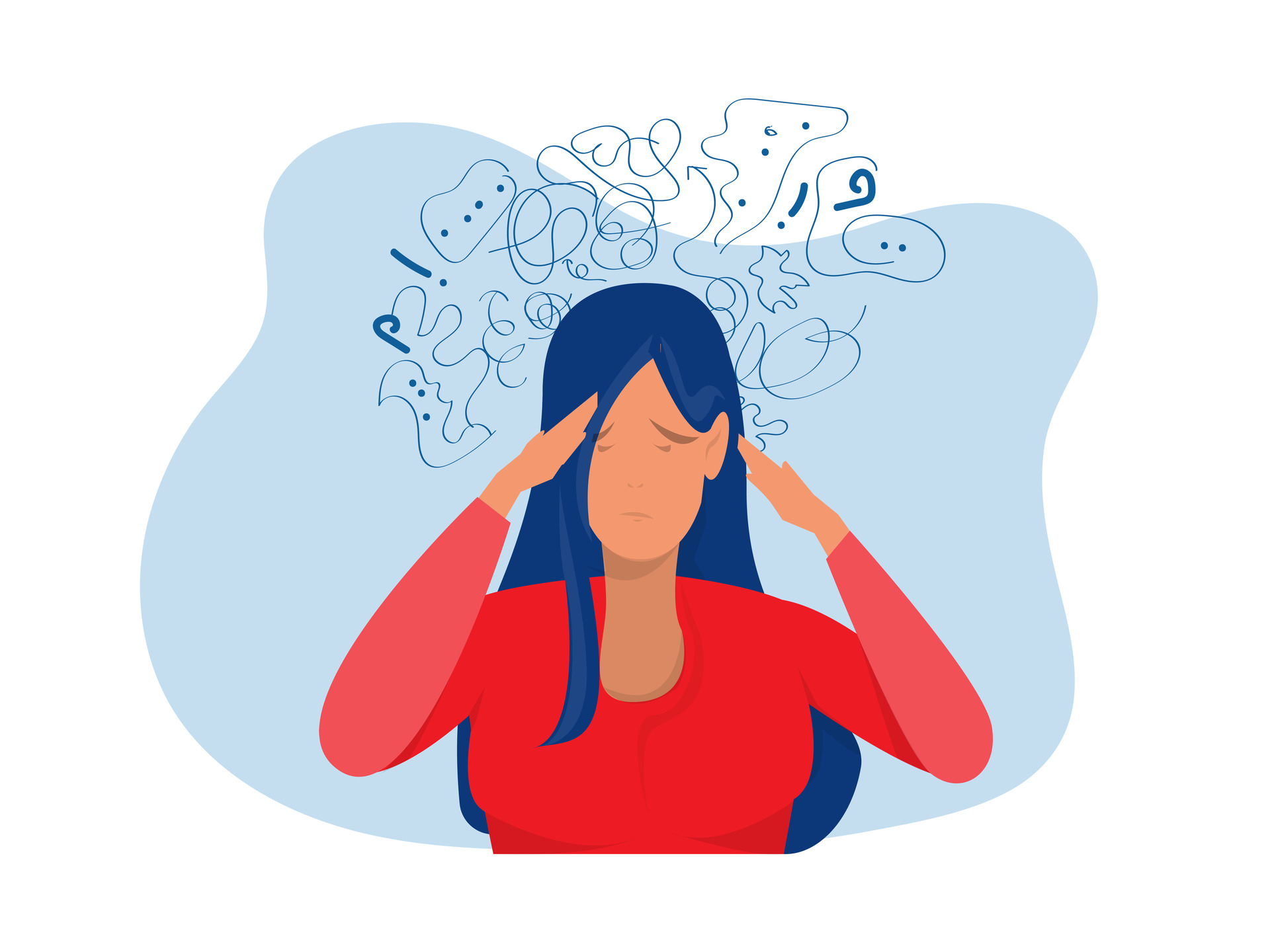

ADHD treatment is highly individualized, and non-stimulant approaches may be appropriate for certain patients depending on medical history, symptom presentation, and treatment response”
GULFPORT, LA, UNITED STATES, May 28, 2026 /EINPresswire.com/ -- Attention-Deficit/Hyperactivity Disorder, commonly known as ADHD, affects both children and adults and is often associated with symptoms involving attention regulation, impulsivity, hyperactivity, executive functioning, and organizational challenges. While stimulant medications remain among the most commonly prescribed treatment options for ADHD, non-stimulant treatment approaches continue receiving increased attention from patients, parents, and healthcare providers exploring alternative management strategies.— Dr. Stanford Owen
Medical professionals note that ADHD treatment plans are often individualized based on age, symptom patterns, medical history, coexisting conditions, treatment response, and lifestyle considerations. Non-stimulant approaches may be considered for individuals who experience side effects from stimulant medications, have certain medical concerns, or require alternative treatment options as part of broader ADHD management planning.
Non-stimulant medications approved for ADHD treatment work differently than traditional stimulant-based therapies. Rather than primarily increasing dopamine activity rapidly, many non-stimulant medications influence neurotransmitter systems gradually over time. Some may target norepinephrine regulation, while others affect broader neurological pathways associated with attention and impulse control.
Healthcare providers explain that non-stimulant medications may take longer to reach full therapeutic effect compared to stimulant treatments. In some cases, several weeks may be required before noticeable symptom improvement occurs. Treatment monitoring often includes evaluating attention, focus, emotional regulation, sleep patterns, academic or occupational performance, and side effect profiles over time.
Side effect considerations frequently influence discussions surrounding ADHD treatment selection. Stimulant medications may affect appetite, sleep, heart rate, anxiety levels, or mood in certain individuals. Non-stimulant approaches may present different side effect profiles that some patients tolerate more comfortably depending on personal medical history and treatment goals.
Coexisting conditions also play a role in treatment planning. Anxiety disorders, depression, sleep disturbances, autism spectrum disorders, tic disorders, and substance use concerns may influence how healthcare providers approach ADHD management. In some situations, non-stimulant treatment options may be considered as part of broader behavioral health strategies.
Behavioral therapy and lifestyle management frequently accompany medication-based treatment approaches regardless of whether stimulant or non-stimulant medications are used. Time management strategies, organizational coaching, behavioral interventions, counseling, school accommodations, and sleep management may all contribute to ADHD symptom management.
Sleep quality remains an important factor in ADHD evaluation and treatment planning. Sleep deprivation, irregular sleep schedules, and certain sleep disorders may worsen concentration difficulties and emotional regulation challenges. Some non-stimulant treatment plans place additional emphasis on improving sleep consistency alongside symptom management.
Diet, exercise, and environmental structure are also increasingly discussed within ADHD management conversations. While lifestyle interventions alone may not replace medical treatment for many individuals, physical activity, nutritional consistency, reduced distractions, and structured routines may influence symptom severity and daily functioning.
Adult ADHD diagnosis rates have also increased in recent years as more adults seek evaluation for long-standing attention and executive functioning difficulties. Many adults report challenges involving focus, organization, procrastination, emotional regulation, and task completion affecting occupational and personal responsibilities.
Educational environments continue playing a significant role in ADHD management for children and adolescents. Classroom accommodations, individualized learning strategies, reduced distractions, and communication between healthcare providers, parents, and educators may influence treatment outcomes and academic performance.
Healthcare providers emphasize that no single ADHD treatment approach works universally for all patients. Medication response varies significantly between individuals, and treatment adjustments are often necessary over time. Some patients may respond well to stimulant medications, while others benefit from non-stimulant approaches or combined treatment strategies.
“ADHD treatment is highly individualized, and non-stimulant approaches may be appropriate for certain patients depending on medical history, symptom presentation, and treatment response,” said Dr. Stanford Owen, owner of ADD Clinics in Gulfport, Mississippi. “Careful evaluation and ongoing monitoring remain important parts of developing effective long-term management plans.”
Public awareness surrounding ADHD continues evolving as more research examines neurological function, behavioral regulation, and treatment outcomes. Increased recognition of adult ADHD, executive functioning challenges, and coexisting mental health conditions has contributed to broader discussions regarding treatment flexibility and personalized care.
Telehealth services have also expanded access to ADHD evaluations and follow-up care in some regions. Virtual appointments may improve access for patients in rural communities or areas with limited behavioral health resources, although evaluation standards and prescribing regulations continue varying based on state and federal guidelines.
Researchers continue studying newer medications, behavioral therapies, digital tools, and neurological interventions related to ADHD management. Ongoing research is examining how genetics, environmental influences, sleep, nutrition, and brain development contribute to attention regulation and treatment response.
As ADHD awareness continues growing, healthcare providers and patients alike are increasingly exploring individualized treatment strategies that may include non-stimulant medications, behavioral interventions, lifestyle modifications, and long-term symptom monitoring. Medical professionals emphasize that treatment decisions should remain based on comprehensive evaluation, patient-specific needs, and ongoing communication between patients and healthcare providers.
Morgan Thomas
Rhino Digital, LLC
+1 504-875-5036
email us here
Visit us on social media:
Facebook
Legal Disclaimer:
EIN Presswire provides this news content "as is" without warranty of any kind. We do not accept any responsibility or liability for the accuracy, content, images, videos, licenses, completeness, legality, or reliability of the information contained in this article. If you have any complaints or copyright issues related to this article, kindly contact the author above.
